11 Min Read
For many Cape Cod homeowners, remodeling starts with a straightforward goal: create a home that works better for the way you live today while protecting the character and long-term value of the property.
Getting there, however, requires more than choosing finishes and hiring a contractor.
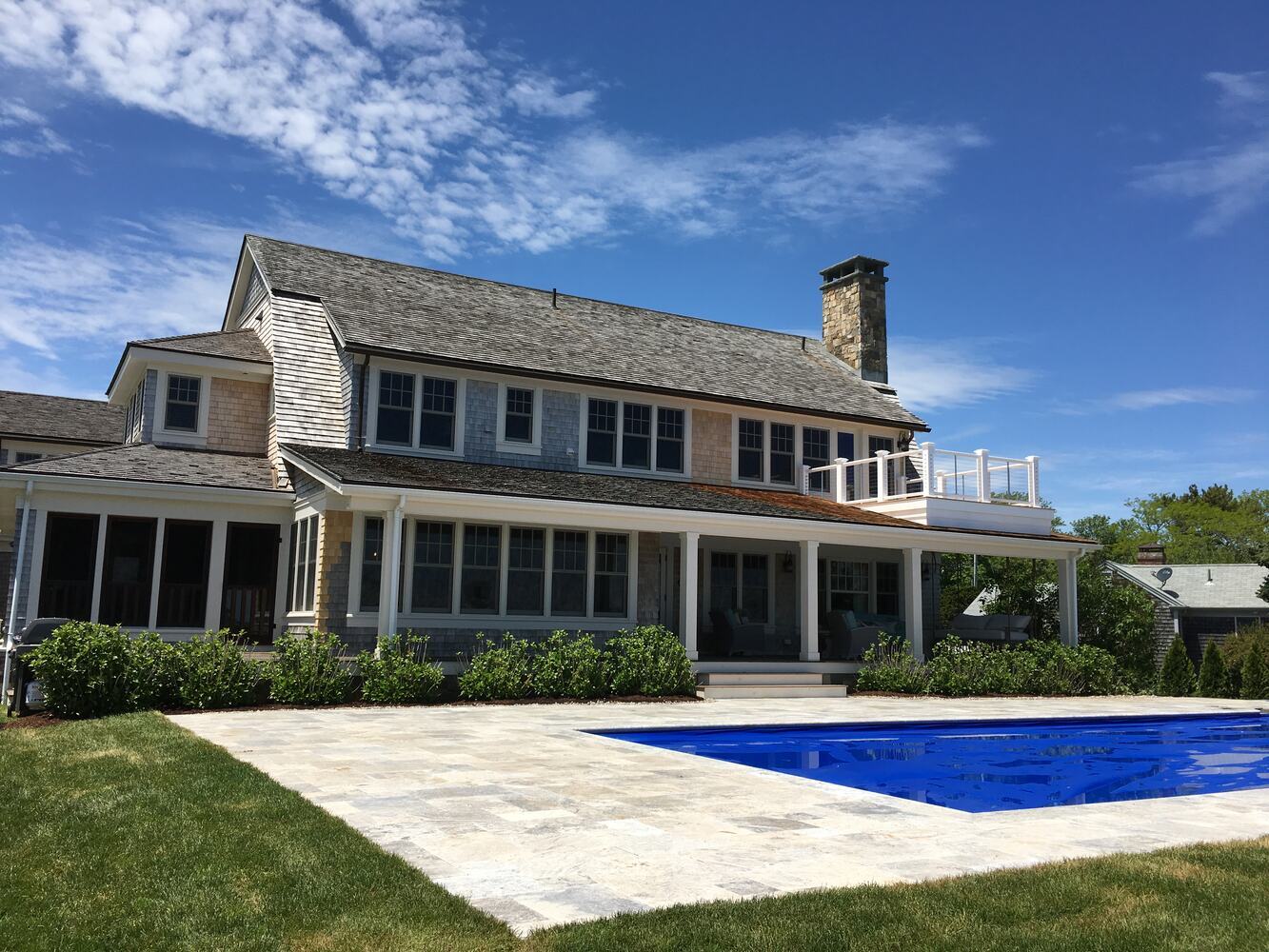
Cape Cod homes come with unique challenges. Existing conditions can be difficult to predict, especially in older homes. Structural changes may need to integrate with decades-old construction. Coastal exposure can affect material choices and durability. Zoning, permitting, site conditions, and environmental requirements can also influence what is possible.
That is why thoughtful planning is such an important part of home remodeling in Cape Cod, MA.
Rather than treating design, budgeting, and construction as separate conversations, many homeowners prefer a more coordinated approach. Design-build brings those decisions together earlier so the homeowner, builder, and design professionals can work toward the same goals.
In this blog, we'll break down what design-build remodeling is, how it differs from a traditional remodeling approach, and the benefits of design-build construction for Cape Cod homeowners planning a significant renovation.
Table of Contents
- What Is Design-Build Remodeling?
- Design-Build vs Traditional Remodeling (General Contractor Model)
- Why More Cape Cod Homeowners Are Choosing Design-Build in 2026
- Benefits of Design-Build Remodeling in Cape Cod
- Why Design-Build Is Ideal for Cape Cod Remodeling Projects
- What Type of Remodeling Projects Are Best for Design-Build?
- What to Expect From the Design-Build Process in Cape Cod
- Common Misconceptions About Design-Build Remodeling
- How to Choose the Right Design-Build Contractor in Cape Cod
- How to Start Planning Your Remodel the Right Way
- Frequently Asked Questions About Design-Build Remodeling
- Take the First Step Toward a Successful Remodel in Cape Cod
What Is Design-Build Remodeling?
Design-build remodeling is a coordinated approach that brings planning, design, budgeting, and construction together instead of treating them as separate stages with little communication between them.
Depending on the project, the design team may include architects, designers, engineers, specialty consultants, and the builder. The important distinction is that construction expertise is brought into the conversation early.
At BelPort Building & Remodeling, we believe that process should begin by understanding the homeowner.
How do you use your home today? What is not working? What would you like to change? What investment are you comfortable making? Are there existing conditions that could affect the project?
Those conversations help establish a realistic path forward before substantial time and money are committed to a design.
A well-coordinated design-build process may include:
- Initial consultation and project discovery
- Existing-condition evaluation
- Pre-construction planning
- Preliminary budgeting and feasibility discussions
- Design development and selections
- Coordination with appropriate design and engineering professionals
- Construction planning
- Project management and construction
- Final details and project completion
The goal is to make sure that the design, investment, existing home, construction requirements, and homeowner's priorities align.
That early coordination is especially valuable when planning a large remodeling project in Cape Cod, where existing conditions and local requirements can significantly influence a project.
Design-Build vs Traditional Remodeling: WHAT'S the Difference?
When homeowners research design-build vs general contractor Cape Cod, the biggest difference is usually when the builder becomes involved in the process.
In a traditional design-bid-build model, a homeowner may:
- Hire an architect or designer.
- Develop a complete set of plans.
- Send those plans to contractors for pricing.
- Compare bids.
- Select a contractor.
- Begin construction.
There is nothing inherently wrong with that approach, and it can work well for certain projects.
The challenge comes when a design is developed without enough real-world construction or budgeting input. A homeowner may spend considerable time developing plans only to discover that the finished design costs significantly more than anticipated.
Then the project has to be redesigned, scaled back, delayed, or reconsidered entirely.
The difference with design-build vs traditional remodeling is that construction knowledge and budget conversations happen much earlier.
Instead of asking, "What does this finished design cost?" at the end of the design process, the team can continually ask:
- Does this scope align with the homeowner's investment goals?
- Is this solution practical for the existing structure?
- Are there alternatives worth considering?
- What information do we still need before making a decision?
- How will today's design decisions affect construction later?
For BelPort, this is also where education matters. Our job is not to overwhelm homeowners with every possible option. It is to listen, understand the problem they are trying to solve, explain realistic choices, and help them make informed decisions.
Why a Coordinated Approach Makes Sense for Cape Cod Homes
Every home is different, but remodeling on Cape Cod can involve conditions that require more planning than homeowners initially expect.
Older Homes Require Thoughtful Problem-Solving
One of the realities of custom home remodeling in Cape Cod is that you are rarely starting with a blank slate.
Once walls, ceilings, or floors are opened, the existing house may reveal conditions that were not visible during an initial walkthrough. Framing methods, previous renovations, mechanical systems, moisture conditions, or structural limitations can affect how new work should be completed.
An experienced remodeling team needs to understand both sides of that equation: how to build something new and how to successfully integrate it with what is already there.
That is one reason BelPort's remodeling experience is so valuable. Remodeling requires flexibility, technical knowledge, attention to detail, and the ability to develop practical solutions when existing conditions do not perfectly match the original assumption.
Budget Should Be Part of the Conversation Early
A successful remodel is not about designing the biggest project possible. It is about developing the right project for the homeowner's priorities and investment.
Early budget conversations help determine whether the desired scope is realistic.
If it isn't, it's far better to discover that during pre-construction than after weeks or months of detailed design.
This allows homeowners to prioritize what matters most and evaluate alternatives without feeling as though they have already committed to a plan that no longer fits.
Cape Cod Properties Can Have Additional Requirements
Zoning, permitting, environmental considerations, site constraints, and property-specific conditions can all affect a remodeling project.
Those considerations should be identified as early as reasonably possible.
A knowledgeable Cape Cod remodeling contractor can help homeowners understand what questions need to be answered before construction begins and coordinate with the appropriate professionals when specialized expertise is required.
Strong Trade Relationships Matter
A remodeling company is only as strong as the people completing the work.
BelPort has spent years building relationships with trusted trade partners across multiple disciplines. Those relationships matter when a project requires carpentry, electrical, plumbing, excavation, masonry, finishes, and other specialties to work together.
Good construction is not simply about completing each individual task. It is about coordinating those tasks so the entire project works as one.
Benefits of Design-Build Remodeling in Cape Cod
There are several potential benefits of design-build construction, particularly for complex remodeling projects.
1. Better Communication
When planning, design, budgeting, and construction are coordinated rather than isolated, the people involved have a better opportunity to work from the same information.
For the homeowner, that can mean fewer disconnected conversations and clearer expectations about what comes next.
2. Budget Conversations Begin Earlier
Budget should not be a surprise at the end of the design process.
Pre-construction allows the team to discuss investment expectations while the project is still being developed. That gives homeowners an opportunity to evaluate priorities and make informed choices before the plans become too difficult or expensive to change.
3. Existing Conditions Are Considered Earlier
A builder can bring a different perspective to design discussions.
How will the new addition connect to the existing structure? What conditions should be investigated? Could a design decision make construction unnecessarily complicated? Is another solution worth considering?
These questions can help produce a project that is not only attractive on paper but practical to build.
4. Decisions Can Be Made With Better Context
Homeowners have thousands of potential options for layouts, finishes, products, and materials.
More choices do not always make a project easier.
BelPort's approach is to understand what the homeowner is trying to accomplish and help narrow those choices into practical options. That provides guidance without taking control away from the homeowner.
5. Better Coordination Between Project Phases
Construction involves a sequence of interconnected decisions.
A change in one area can affect framing, electrical, plumbing, cabinetry, finishes, schedule, or cost elsewhere.
Coordinating those decisions earlier can reduce avoidable conflicts and create a clearer path into construction.
6. Greater Accountability
Homeowners want to know who is responsible for moving the project forward and who to call when they have a question.
A coordinated process creates clearer responsibility for communication, planning, construction, and problem-solving.
7. A More Educated Homeowner
One of the most important benefits is often overlooked.
A good remodeling process should help you understand your project.
You should know why certain recommendations are being made, what alternatives are available, where major cost drivers exist, and what decisions need to happen next.
At BelPort, educating the homeowner is part of building trust.
Why Design-Build Is Ideal for Cape Cod Remodeling Projects
A remodeling project on Cape Cod has to accomplish two things at the same time: create the new space the homeowner wants and successfully work with the property that already exists.
That can become especially challenging with older homes, additions completed during different eras, historic characteristics, complex sites, coastal exposure, or existing structural and mechanical systems.
A strong design-build firm in Cape Cod should understand that the best solution is not always the first solution.
Sometimes the right approach requires studying the existing conditions, comparing options, and identifying the practical advantages and disadvantages of each one before moving forward.
Material selection matters as well. Cape Cod's environment can put additional demands on exterior materials and building components. Durability, moisture management, maintenance, and long-term performance should be considered alongside appearance.
For homeowners searching for a design-build contractor in Cape Cod, MA, this kind of local construction experience should be an important part of the decision.
The goal should be a home that looks right, functions well, and is built with consideration for how it will perform over time.
What Type of Remodeling Projects Are Best for Design-Build?
Design-build can be especially valuable for projects that require coordination, careful planning, and multiple phases of work.
Whole Home Remodeling
For large-scale renovations, having one team manage both design and construction helps maintain consistency and control across the entire project.
Kitchen Remodeling
Kitchens involve layout changes, plumbing, electrical, and finish selections. A design-build approach ensures everything is aligned from the start.
Bathroom Remodeling
Bathrooms require precise coordination between trades and materials. Early planning helps avoid delays and rework.
Basement Finishing and Renovations
Basement projects often involve moisture control, structural considerations, and code requirements. Design-build helps address these factors upfront.
Additions and Major Renovations
When expanding a home, it is critical to integrate new construction with the existing structure. This requires careful planning and execution.
What to Expect From the Design-Build Process in Cape Cod
Step 1: Pre-Construction Planning
Every successful remodel starts with a clear plan.
This phase begins with understanding your goals, priorities, and investment expectations, then evaluating the feasibility of your project. It is also where potential challenges and existing conditions can be identified early.
For projects that are a good fit, a pre-construction agreement can formalize this stage and help ensure the project is properly developed before construction begins.
Step 2: Design and Budget Alignment
During design, layouts are refined, materials are selected, and costs are evaluated as the project develops.
This helps keep design decisions aligned with your budget and project priorities, reducing the likelihood of major changes later.
Step 3: Construction
Once plans, scope, and key project details are finalized, construction begins with a clear roadmap.
Because design, budgeting, and construction planning have been coordinated throughout the process, the project can move into construction with clearer expectations, stronger communication, and fewer avoidable misunderstandings.
Step 4: Completion and Ongoing Support
At the end of the project, final details are completed and the finished space is turned over to the homeowner. A strong contractor relationship should continue beyond construction, providing support if questions or concerns arise after the project is complete.
Common Misconceptions About Design-Build Remodeling
Myth: Design-build remodeling is more expensive than traditional remodeling
Fact: Design-build is not automatically more or less expensive. Its advantage is that design, budget, and construction considerations are addressed earlier, helping homeowners make informed decisions and reduce the risk of costly redesigns or late-stage changes. By aligning budget and design early, homeowners can better understand how their choices affect the overall investment.
Myth: I will have less control over the design
Fact: The process is highly collaborative. You are involved in key decisions, with guidance from professionals who help you balance design goals with budget, existing conditions, and construction realities.
Myth: I should hire an architect first, then find a contractor
Fact: That approach can work well, but it can also create a disconnect between design and construction costs if the builder is not involved early. A design-build approach brings construction and budgeting input into the planning process sooner, helping create a project that is both practical to build and aligned with your investment goals.
Myth: Design-build is only for large or luxury projects
Fact: While it works especially well for large renovations and additions, design-build can also benefit kitchen, bathroom, and basement remodels where multiple trades, selections, and construction details need to be coordinated.
Myth: It is faster to skip detailed planning and start construction
Fact: Rushing into construction can create more problems later. Thorough pre-construction planning helps identify potential challenges, clarify decisions, and create a more organized path into the build.
How to Choose the Right Design-Build Contractor in Cape Cod
Start by looking at the contractor's experience with projects similar to yours.
Then ask about the process.
- How do they evaluate a project before construction?
- How are budget expectations discussed?
- Who handles design and engineering coordination?
- How will you communicate during the project?
- Who manages the construction?
- How are selections handled?
- How are changes addressed?
- Can they explain their recommendations in language you understand?
- Do they have established relationships with qualified trade partners?
- Can they provide examples of completed work and client experiences?
Licensing and insurance are important, but they should be considered the baseline rather than the entire qualification process.
You are choosing a company that may be working in and around your home for months.
Technical ability matters. So do reliability, communication, transparency, organization, and trust.
At BelPort, we believe a contractor should listen before prescribing a solution. Homeowners deserve to understand their options without being overwhelmed by them.
The right construction partner should help you determine not only what can be built, but what makes the most sense for your home, priorities, and investment.
How to Start Planning Your Remodel the Right Way
Start by defining the project.
Ask yourself:
- What problems am I trying to solve?
- How do I want the home to function differently?
- Which parts of the project are most important?
- What am I prepared to invest?
- Is my desired timeline flexible?
- Are there property, zoning, structural, or site conditions I need to investigate?
- Do I already have plans, or do I need help developing the project?
Once those questions are clearer, you can have a much more useful conversation with a remodeling professional.
For significant home remodeling projects, pre-construction can help turn the initial idea into a realistic plan.
That may involve reviewing existing conditions, discussing preliminary investment ranges, coordinating design resources, identifying likely project challenges, and establishing the steps required before construction.
At BelPort, we would rather have an honest conversation early than tell a homeowner what they want to hear and create problems later.
Frequently Asked Questions About Design-Build Remodeling
Does BelPort Provide Free Estimates?
BelPort can provide an initial conversation and preliminary ballpark investment range to help determine whether a project is a good fit. For significant remodeling and custom building projects, detailed estimating typically requires a deeper understanding of the scope, specifications, existing conditions, and project requirements.
When appropriate, the next step is a pre-construction agreement that allows the project to be properly developed before final construction pricing is established.
What is a pre-construction agreement?
A pre-construction agreement establishes the planning work required before a construction contract can be accurately developed.
Depending on the project, this can include existing-condition evaluation, feasibility, preliminary scope development, budgeting, design coordination, selections, engineering, scheduling considerations, and other planning.
The purpose is to replace assumptions with better information before construction begins.
What budget do I need for a remodel in Cape Cod?
The budget for a Cape Cod remodel can vary significantly depending on the size and type of project, structural work, existing conditions, finish level, products, site conditions, mechanical systems, and design requirements.
A good place to start is our Cape Cod Remodeling Cost Guide, which provides realistic investment ranges for common remodeling projects and can help you understand what to expect before beginning the planning process.
Once you have a general sense of the investment involved, BelPort can help you evaluate your specific goals, priorities, and property to determine the right next steps.
Can design-build help reduce project costs?
Yes. By addressing budget and design decisions early, design-build helps prevent costly changes, delays, and inefficiencies.
Is design-build better than hiring an architect separately?
For many homeowners, design-build offers a more streamlined and coordinated experience, reducing the risk of misalignment between design and construction.
Is design-build more expensive than traditional remodeling?
Not necessarily, but design-build should not be marketed as automatically less expensive either.
The primary financial benefit is earlier cost awareness. When budget and construction considerations are discussed during planning, homeowners have an opportunity to make decisions before the project is too far developed.
That can provide greater cost clarity and help reduce avoidable redesign or late-stage changes that can increase the project's cost.
How does the design-build process work?
The process generally begins with discovery and pre-construction, followed by design development and budget alignment, construction planning, construction, and final completion.
The exact design-build process that Cape Cod homeowners experience will vary depending on the property's complexity, project type, permitting requirements, and design needs.
Take the First Step Toward a Successful Remodel in Cape Cod
At BelPort Building & Remodeling, we start by understanding your goals, your home, and what a successful project looks like to you.
Whether you're planning an addition, kitchen, bathroom, major renovation, or other design-build remodeling project, the right plan comes before the price. Schedule a consultation with BelPort to discuss your project and next steps.
The right results start with the right plan.